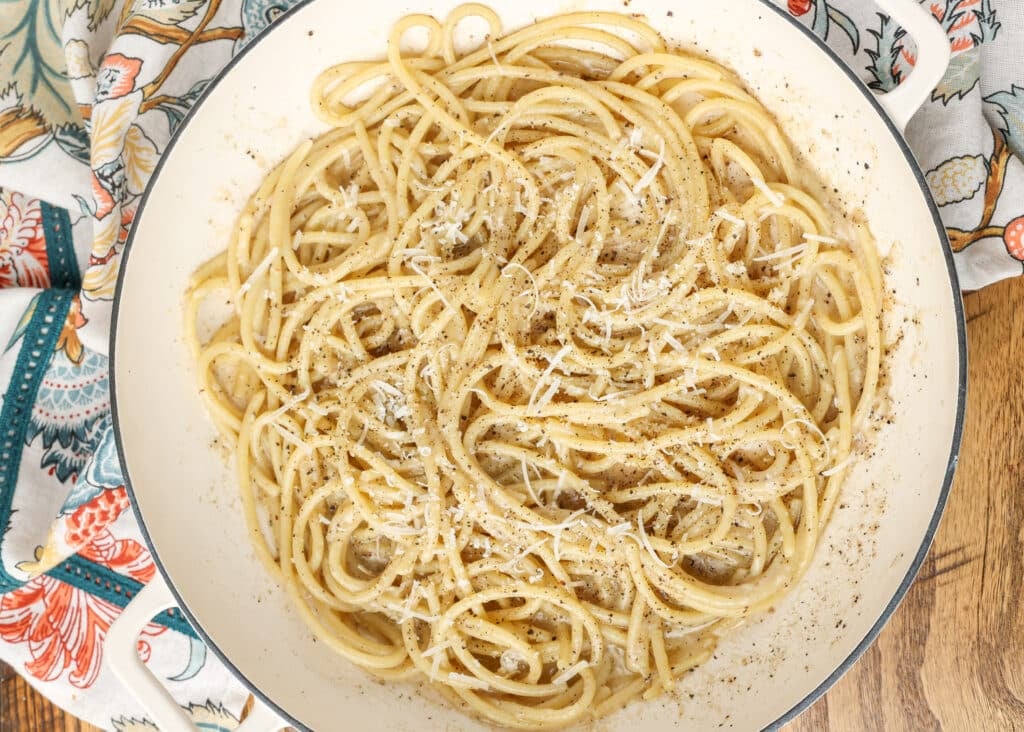
The Timeless Appeal of Parmesan Pepper Pasta
In the vast world of pasta dishes, few can rival the sheer elegance and profound satisfaction delivered by a truly exceptional bowl of parmesan pepper pasta. This seemingly simple creation, built upon a foundation of humble ingredients, transcends its components to offer a culinary experience that is both comforting and deeply sophisticated. It’s a testament to the magic that happens when quality ingredients are treated with respect and technique.
At its heart, this dish is a gentle, yet sublime, riff on the iconic Italian classic, Cacio e Pepe. While the original Roman masterpiece, literally translating to "cheese and pepper," relies solely on pasta, Pecorino Romano, black pepper, and pasta water, our version introduces a harmonious blend of Parmesan cheese, black pepper, rich butter, and aromatic olive oil. This subtle evolution broadens its appeal, making it a beloved weeknight favorite that effortlessly turns a simple meal into a memorable occasion. Whether served as a hearty vegetarian main with a vibrant Strawberry Spinach Salad or as an elegant side to a Baked Italian Chicken, its perfection is undeniable.
A Classic Reimagined: Beyond Cacio e Pepe
The beauty of Cacio e Pepe lies in its minimalist philosophy – showcasing the power of a few exceptional ingredients. Our parmesan pepper pasta embraces this ethos while offering a slightly different flavor profile and accessibility. Pecorino Romano, with its sharp, salty, and pungent notes, is traditional. However, our version leverages the more widely available and often preferred Parmesan cheese (Parmigiano Reggiano). Parmesan offers a nuttier, fruitier, and slightly less assertive flavor, which, when combined with butter and olive oil, creates an incredibly smooth, balanced, and utterly irresistible sauce.
This adaptation isn't about compromising authenticity but about celebrating versatility and personal preference. The addition of butter introduces a luxurious silkiness, while a touch of olive oil adds a fruity depth and helps in creating a stable emulsion. The result is a dish that maintains the spirit of its Roman ancestor – simplicity, speed, and incredible flavor – while offering a familiar warmth that resonates with a broader palate.
Unlocking Flavor: The Essential Ingredients
Mastering parmesan pepper pasta isn't just about following steps; it's about understanding the role each ingredient plays. The true brilliance of this dish emerges from the quality and thoughtful preparation of its core components.
The Star: Freshly Cracked Black Pepper
If there's one secret to elevating this dish from good to absolutely phenomenal, it's the black pepper. This isn't a place for pre-ground pepper from a shaker. You need freshly cracked black peppercorns, and you need them in generous supply. The pepper isn't just a seasoning; it's a foundational flavor. When toasted, its complex, woody, and slightly fiery notes are unleashed, transforming the sauce. Don't be tempted to skimp on the quantity; the richness of the cheese, butter, and olive oil mellows any potential harshness, allowing the pepper's warmth and aroma to shine through.
For the best results, use a peppermill with the coarsest grind setting available. The coarser texture provides a delightful bite and a burst of flavor in every mouthful. If you don't have a peppermill, a mortar and pestle is ideal. Alternatively, place peppercorns in a sturdy resealable bag and use a meat tenderizer, rolling pin, or even a hammer to crack them. Start gently to avoid pulverizing them, aiming for irregular fragments rather than a fine powder. This commitment to fresh, coarse pepper is truly the key to Unlock Flavor: The Secret to Perfect Parmesan Pepper Pasta.
The Foundation: Quality Parmesan Cheese
While Pecorino Romano is traditional for Cacio e Pepe, a high-quality Parmesan (Parmigiano Reggiano or a Grana Padano) is our preferred choice for this specific riff. Its nutty, slightly sweet, and less aggressively salty profile creates a wonderfully balanced and creamy sauce. Always grate your cheese fresh; pre-grated cheeses often contain anti-caking agents that can hinder the smooth emulsification of your sauce, leading to a clumpy texture.
When selecting your Parmesan, look for authentic Italian varieties, often aged for 12-24 months. The deeper the flavor, the more depth it will lend to your pasta.
The Emulsifiers: Butter and Olive Oil
The combination of butter and olive oil is what sets this parmesan pepper pasta apart from a traditional Cacio e Pepe. Butter brings a rich, creamy mouthfeel and delicate sweetness, while good quality extra virgin olive oil adds a fruity, peppery note and helps in building a stable emulsion. These fats are crucial for carrying the flavor of the pepper and for creating the luxurious, velvety texture of the sauce.
The Canvas: Choosing Your Pasta
Long, sturdy pasta shapes are traditional and work exceptionally well for this dish, allowing the creamy sauce to cling beautifully. Bucatini, with its hollow center, offers a delightful chew and traps the sauce within, while classic spaghetti is always a reliable choice. However, don't shy away from experimenting with other shapes like rigatoni or even a broader pasta like tonnarelli (often called spaghetti alla chitarra). The most critical aspect is cooking your pasta to a perfect al dente – tender with a slight bite – as it will continue to cook slightly in the hot sauce.
Mastering the Technique for a Silky Sauce
The beauty of parmesan pepper pasta lies not just in its ingredients, but in the simple yet precise technique that transforms them into a sublime culinary experience. The goal is to create a glossy, emulsified sauce that coats every strand of pasta without being overly thick or greasy.
Prepping for Perfection
Begin by bringing a large pot of generously salted water to a rolling boil. Remember, the pasta water is a crucial ingredient, as its starch content is key to forming a creamy sauce. While the pasta cooks to al dente (check package directions for timing, but aim for tender with a slight resistance), prepare your sauce base. In a large enamel or nonstick skillet over medium heat, warm the olive oil and melt the butter. Once melted, add your freshly cracked black pepper. Allow it to cook for just 20-30 seconds until intensely fragrant, being careful not to burn it. This toasting step amplifies the pepper's flavor and aroma significantly. Immediately remove the pan from the heat to prevent over-toasting.
The Art of Emulsification
This is where the magic happens. Using tongs, transfer the al dente pasta directly from the boiling water to the skillet with the butter and pepper. Do not drain the pasta! The residual water clinging to the pasta is vital. Immediately pour about half a cup of the starchy pasta water into the pan. This starchy liquid, combined with the melted fats and cheese, is what creates the emulsion. Toss the pasta vigorously and quickly to combine it with the butter and pepper. Add about half of your freshly grated Parmesan cheese and continue to toss. The heat from the pasta and the remaining pasta water will help melt the cheese and form the sauce.
Continue to add the remaining cheese in small increments, along with splashes of additional pasta water, *only as needed*, if the pasta appears dry. The key is constant, quick tossing to create that luscious, emulsified sauce. The sauce should be glossy and coat the pasta beautifully, not sit in a puddle at the bottom of the pan.
Troubleshooting Your Parmesan Pepper Pasta
- Sauce too dry? Don't panic! Add another splash or two of hot pasta water, a tiny knob of butter, and continue tossing vigorously. The starch in the water and the fat will help bring it back.
- Sauce too watery? This can happen if you add too much pasta water too quickly. Keep tossing! The starch and cheese will absorb some of it. If it's still too loose, you can place the pan back on very low heat for a few seconds while tossing, but be careful not to overcook the pasta or scramble the cheese.
- Cheese clumping? This usually happens if the heat is too high or the cheese is added too quickly without enough liquid. Ensure your cheese is finely grated and added in stages, with plenty of hot pasta water, while tossing constantly off the direct heat.
Beyond the Basics: Serving and Customizing
Serve your parmesan pepper pasta immediately, as it is best enjoyed fresh from the pan. A final sprinkle of fresh Parmesan and an extra grind of black pepper are always welcome. While it shines as a standalone dish, its versatility allows for delightful pairings and subtle customizations.
- Enhance the Aroma: A finely grated lemon zest just before serving can add a bright, fresh counterpoint to the richness.
- A Touch of Heat: For those who love a bit of a kick, a pinch of red pepper flakes toasted with the black pepper can add an exciting dimension.
- Herbaceous Notes: While not traditional, a light sprinkle of fresh chives or parsley can add color and a whisper of freshness.
- Protein Power: For a heartier meal, consider serving alongside grilled chicken, pan-seared scallops, or even some crispy pancetta or guanciale.
- Vegetable Companions: Roasted asparagus, sautéed mushrooms, or a simple green salad make excellent partners.
Remember, this dish is all about balance. Each ingredient plays its part in creating a harmonious whole. For more quick and easy meal solutions, you might find inspiration in our article on Easy Parmesan Pepper Pasta: Your Quick Weeknight Meal Solution.
Conclusion: Your New Weeknight Favorite
The art of creating truly exceptional parmesan pepper pasta lies in respecting its simplicity and mastering a few key techniques. From the robust flavor of freshly cracked black pepper to the creamy embrace of Parmesan, butter, and olive oil, this dish is a testament to how humble ingredients can culminate in something truly sublime. It’s quick enough for a busy weeknight, yet elegant enough to impress guests. By understanding the role of each component and finessing the emulsification process, you too can consistently turn out a plate of pasta that is rich, peppery, creamy, and utterly irresistible. Dive in and discover why this sublime cacio e pepe riff is destined to become a beloved staple in your culinary repertoire.
